





 Primary healthcare centers in Nigeria and Liberia reduce the mortality rate and teach villagers basic health and hygiene practices. Traveling teams of medical professionals visit various villages in Egypt to provide medical aid. A large medical container replenished depleted supplies in several clinics and camps for IDPs (Internally Displaced People).
 Multiple rehabilitation centers in China help people recover from drug or alcohol addiction. An organic farm at one of the centers serves to teach residents an income-generating skill.
 Teams of medical and dental professionals visit rural villages in Mexico and Peru where no clinics exist. They hold medical camps to provide free aid to those who cannot afford it and would otherwise have to walk long distances to a clinic or hospital.
 Counseling centers and medical clinics serve people traumatized by war, conflict, and economic collapse in places like Syria and Lebanon. A wide variety of services help both refugees and locals move toward healing and wholeness.
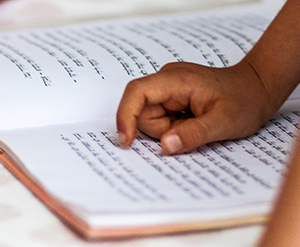

A “school on wheels” travels with nomadic tribes to educate children and provide adults with literacy training.

A center for psychological wellness and character development is being implemented among underprivileged ethnic minority groups in partnership with a primary and middle school. This center will provide youth with the resources and information they need to thrive academically and societally.

Multiple countries throughout Europe have received an influx of refugees from the Middle East. These refugees struggle to find employment and integrate into society. A program to teach them local languages and help them secure basic resources has improved their lives and enabled them to contribute to their new communities.

From the slums of Guatemala to the Andes Mountains of Peru, children’s centers throughout Latin America provide children from poor families with nutritious meals, after-school tutoring, sports programs, mentoring, and vocational training.

Schools and children’s centers throughout the region provide children with an opportunity to thrive, like the school for children of indentured servants in Pakistan. Without an education, they would be destined to follow in their parents’ footsteps and be slaves of various industries. Children belonging to marginalized ethnic minorities are also receiving an education that will allow them to overcome the obstacles of racial prejudice.

Business management training and micro-enterprise projects have equipped poor families to develop income through small businesses. Some of these businesses include the breeding of dogs, birds, and rabbits; bakeries and catering; general stores; selling bottled water; street vendors; small restaurants; growing mushrooms, vegetables, and fruit; handicrafts; online buying and reselling; and motorbike taxis.

Hundreds of Syrian and Iraqi refugees who struggle to find sustainable employment away from their homelands receive vocational training and employment opportunities through learning how to sew, cut and style hair, and make mosaic tiles, jewelry, handicrafts, and soap. Upon completion of the training they receive their own sewing machines or barber kits and the opportunity to sew and sell school uniforms and emblems or work at a barber shop.

A primary school struggling to stay afloat due to the area’s poverty and inability of parents to pay school fees has engaged in such microenterprises as sewing businesses and livestock farming, which has enabled parents to earn a living.

In an area where farmers are often victims of loan sharks and are left with minimal food support for their families, a micro-enterprise project can provide them with opportunities to buy cattle and other livestock so they can start farming; some have diversified their crops, expanding to sugarcane, corn, and rice farming. Still others have started clothing, bakery, and other shops.

In one of the world’s poorest, most underdeveloped nations, a goat project is providing a way for families to become self-sustaining. Beneficiaries of the project receive a pair of goats to raise, after which they donate baby goats to future recipients. In one village, 75 families have benefitted from the project. The goats provide milk to malnourished children and income to the families through the sale of young goats.